Plants cannot speak human languages — but they are constantly communicating.
A drooping leaf may signal water stress. Yellowing leaves may indicate nutrient problems. Slow growth may reveal insufficient light or an unstable environment.
For centuries, growers have learned to "listen" to plants by observing these signals.
Now, artificial intelligence is opening a new possibility:
What if technology could help us understand those signals faster and more accurately?
Recent AI experiments, including OpenAI's PlantTalk project, explore an exciting idea: using artificial intelligence to create new ways for humans to interact with plants.
While plants may not literally have conversations with us, the future of gardening may become more interactive — where sensors, data, and AI help growers better understand what their plants need.
Plants Already Communicate — We Just Need to Learn Their Language
Before AI can understand plants, growers need to understand how plants communicate.
Plants constantly respond to their environment through visible changes.
1. Drooping Leaves: "I May Need Water"
One of the most common plant signals is wilting.
Possible causes include:
- Dry growing medium
- Low humidity
- Root stress
- Excessive heat
A smart growing system can help by monitoring environmental conditions and giving growers more information about what is happening.
2. Yellow Leaves: "Something Is Out of Balance"
Yellowing leaves can happen for many reasons:
- Nutrient deficiencies
- Overwatering
- Incorrect lighting
- Root problems
Instead of guessing, growers can combine observation with environmental data to make better decisions.
3. Stretching Growth: "I Need More Light"
Indoor plants depend heavily on proper lighting.
When plants do not receive enough usable light, they may:
- Grow taller with weak stems
- Develop larger gaps between leaves
- Produce slower growth
This is why choosing the right grow light intensity and schedule is essential for indoor gardening.
How AI Could Change the Way We Grow Plants
AI is powerful because it can analyze large amounts of information quickly.
In the future, an AI gardening assistant could combine multiple data sources:
- Temperature
- Relative humidity
- Light intensity
- Photoperiod schedules
- Soil moisture
- Plant images
- Growth rates
- Historical environmental records
Individually, these data points may not reveal much. Together, they can provide valuable context about plant health and environmental conditions.
Instead of simply asking:
"What is wrong with my plant?"
Growers could receive more personalized guidance:
"Your plant may be experiencing light stress because the environment became warmer while light intensity increased."
Instead of returning a generic answer, an AI system could analyze the image, compare environmental conditions, review recent trends, and provide a more personalized explanation.
Future gardening assistants may be able to identify patterns such as:
- Increasing stress after a lighting adjustment
- Reduced growth following humidity fluctuations
- Environmental conditions associated with nutrient lockout
- Early warning signs of pest or disease pressure
Rather than replacing grower knowledge, AI has the potential to make that knowledge more accessible and actionable.
How We Evaluated the Future of AI Gardening
To better understand where AI-powered gardening may be heading, we evaluated three key areas that influence plant care today.
Plant Signals
Plants continuously generate observable signals that reflect their health and environmental conditions.
Common examples include:
- Leaf color changes
- Growth rates
- Stem structure
- Wilting
- Stretching
- Flower development
These visual signals have long served as the foundation of plant diagnosis and cultivation.
Environmental Data
Modern growing systems can monitor environmental variables in real time.
These may include:
- Temperature
- Relative humidity
- Vapor pressure deficit (VPD)
- Light intensity
- Lighting schedules
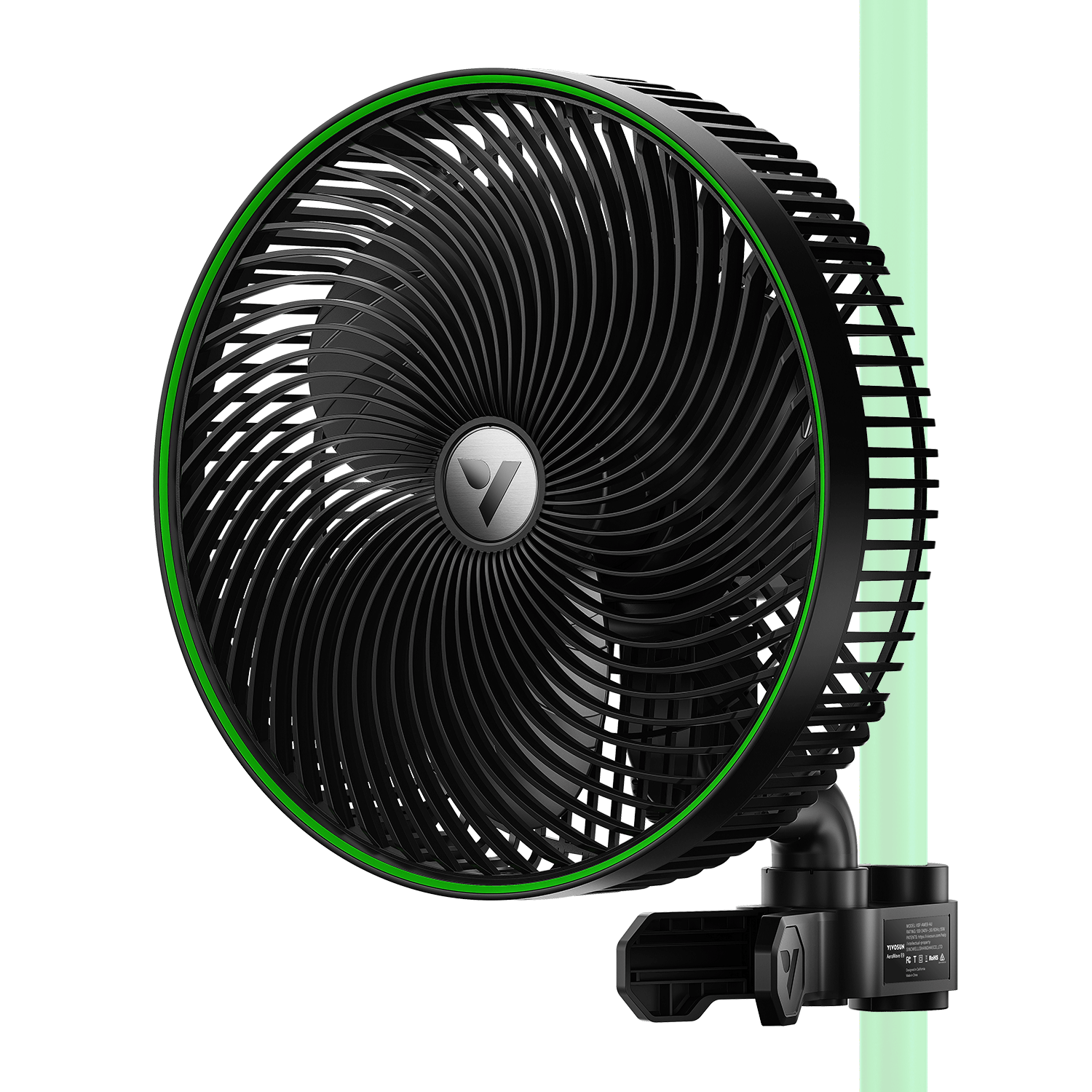
- Airflow conditions
The ability to collect and analyze environmental data creates opportunities for more informed decision-making.
Advances in Artificial Intelligence
Recent developments in AI have dramatically improved the ability to:
- Analyze images
- Recognize patterns
- Interpret sensor data
- Generate recommendations
- Learn from historical information
As AI becomes more capable, gardening tools may become increasingly personalized, adaptive, and interactive.
Our evaluation is based on current indoor gardening practices, connected growing technologies, and emerging AI applications that help translate environmental information into practical growing insights.
What We Learned From Monitoring Indoor Growing Environments
While AI gardening is still evolving, today’s connected growing systems already provide valuable lessons about plant health and environmental management.
Several patterns consistently emerge across indoor growing environments.
Consistency Often Matters More Than Perfection
Many growers focus on finding the perfect environmental settings.
In practice, plants often respond better to stable conditions than to constant adjustments.
Frequent changes in temperature, humidity, lighting intensity, or watering routines can create stress, even when individual settings remain within acceptable ranges.
Consistency allows plants to adapt and grow without repeatedly responding to environmental fluctuations.
Environmental Factors Rarely Act Alone
Plant health is rarely influenced by a single variable.
For example:
- Higher light intensity may increase water demand.
- Lower humidity may increase plant stress under strong lighting.
- Temperature changes can influence nutrient uptake.
- Airflow affects both transpiration and disease prevention.
Understanding how these variables interact is often more important than optimizing any single factor.
Early Detection Creates Better Outcomes
Many plant problems begin developing long before visible symptoms appear.
Environmental trends often provide early indicators that something may be changing within the grow space.
Future AI systems may help identify unusual patterns and alert growers before those issues become severe enough to impact growth, yield, or plant health.
Why Lighting Will Remain One of the Most Important Plant Signals
No matter how advanced AI becomes, successful plant growth will continue to depend on the fundamentals.
Among those fundamentals, lighting remains one of the most important environmental factors influencing plant development.
Light directly affects:
- Photosynthesis
- Growth rate
- Leaf structure
- Internodal spacing
- Flowering and fruiting
- Overall plant vigor
Because lighting influences so many aspects of growth, it also represents one of the most valuable sources of information for future AI gardening systems.
Modern smart lighting systems can provide data such as:
- Daily light duration
- Lighting schedules
- Intensity adjustments
- Growth-stage configurations
- Historical lighting patterns
When combined with environmental monitoring and plant observations, this information may help AI systems better understand how plants respond to changing conditions.
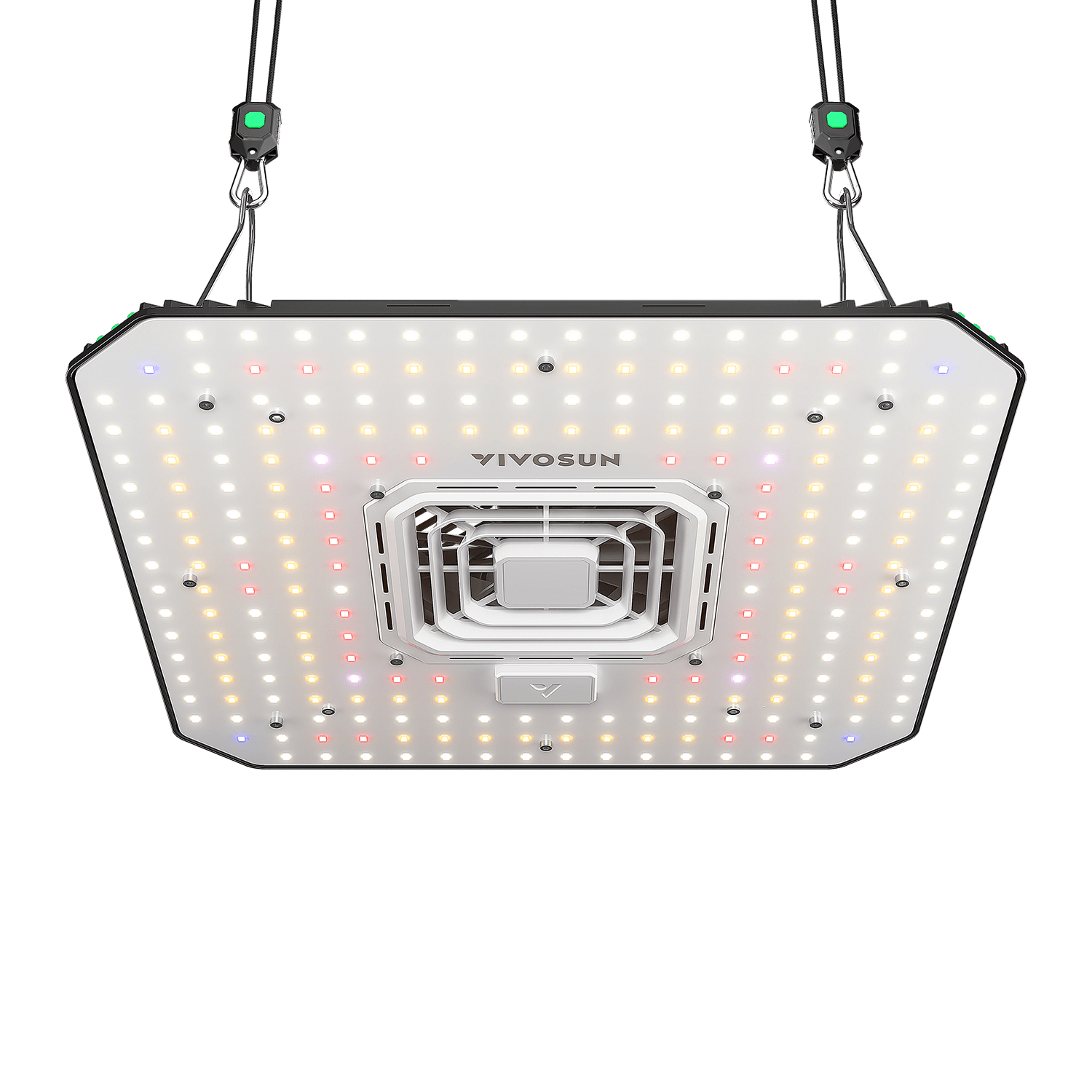
Connected lighting technologies such as AeroLight represent an important step in this evolution. Lighting is no longer simply about delivering photons—it is becoming part of a larger ecosystem that connects plants, growers, environmental data, and intelligent decision-making.
From Smart Devices to Smart Gardening Ecosystems
The future of indoor gardening is not only about automation.
It is about creating a better connection between growers and plants.
Modern smart gardening systems are already moving in this direction by helping growers monitor and control their environments.
At VIVOSUN, we believe successful growing comes from understanding the relationship between:
- Plants
- Environment
- Technology
- Grower decisions
Our connected growing ecosystem combines smart devices, environmental monitoring, and growing knowledge to help growers create better conditions for their plants.
Solutions like:
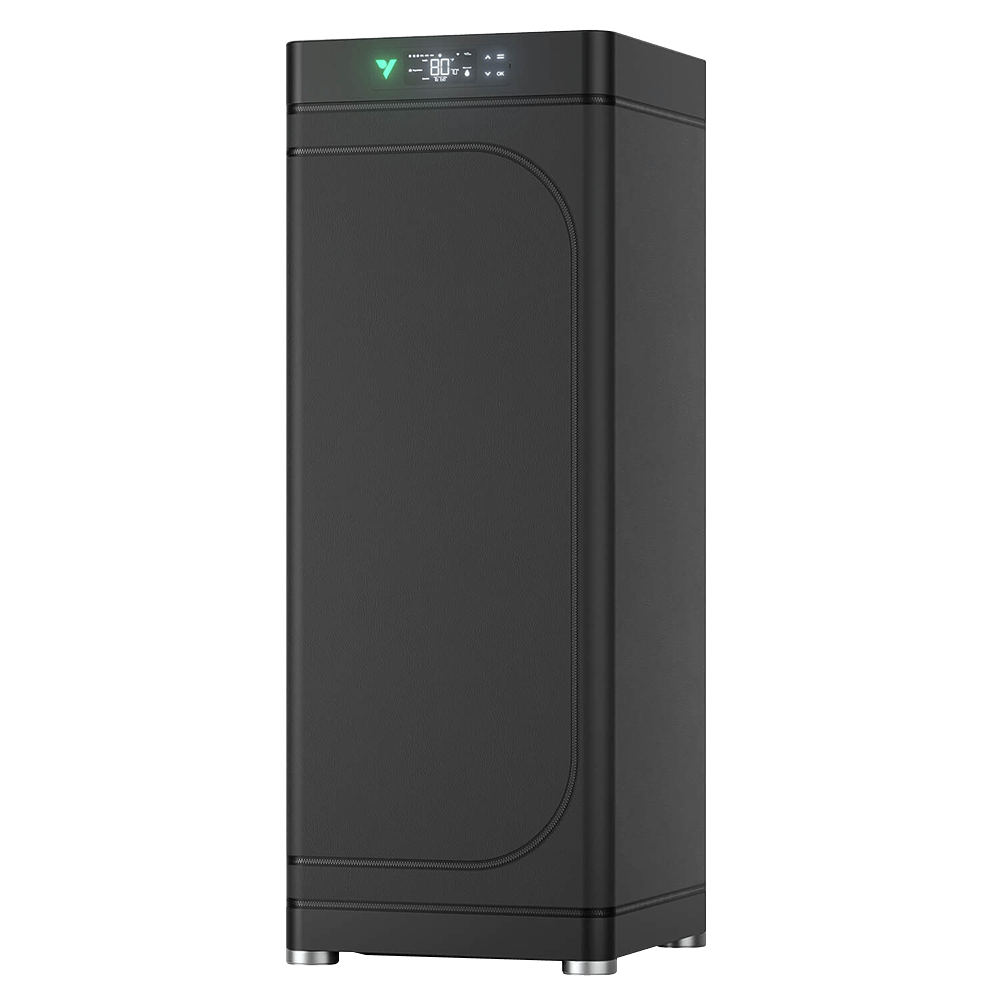
- VIVOSUN GrowHub controllers
- VIVOSUN App
- GrowPilot smart growing features
- Smart lighting systems such as AeroLight
help growers manage important factors like lighting, temperature, humidity, and growing routines.
The next step is making these systems even smarter — helping growers understand plant needs in a more intuitive way.
Could AI Really Replace Experienced Growers?
Probably not.
Experienced growers develop knowledge through years of observation.
They understand subtle signals:
- The difference between healthy and unhealthy growth
- How plants react to environmental changes
- When to adjust light, water, or nutrients
AI should not replace growers.
Instead, AI can become a tool that helps both beginners and experienced growers make better decisions.
Think of AI as a growing assistant:
- Beginners gain guidance
- Experienced growers gain additional insights
- Plants receive more consistent care
The Future of Indoor Gardening: A Conversation Between Plants and People
Imagine a future where your growing system could tell you:
"Your humidity has dropped overnight."
"Your plant growth has slowed compared with previous weeks."
"Your lighting schedule may need adjustment."
This future does not require plants to literally speak.
It requires technology to become better at understanding the signals plants already provide.
The combination of plant science, sensors, and artificial intelligence may transform gardening from a guessing process into a more informed and personalized experience.
Frequently Asked Questions
Can AI really talk to plants?
Not in the same way humans communicate. However, AI can analyze plant-related data, such as images, environmental conditions, and growing patterns, to help people better understand plant needs.
How can AI help with plant care?
AI can help analyze information such as temperature, humidity, lighting, and plant appearance to provide recommendations for improving growing conditions.
What is smart gardening?
Smart gardening uses connected technology such as sensors, apps, automation, and data analysis to help growers monitor and optimize plant environments.
Do plants need AI to grow successfully?
No. Plants can grow successfully with traditional gardening methods. AI is a tool that may help growers make better decisions and simplify plant care.
How do grow lights connect with AI gardening?
Grow lights provide plants with the energy they need for photosynthesis. In future smart gardening systems, AI may help optimize lighting schedules based on plant growth stages and environmental conditions.
Final Thoughts
Plants have always been communicating.
The challenge has been learning how to understand them.
AI may become the bridge between plant signals and human decisions — helping growers create healthier environments with more confidence.
The future of gardening may not be about replacing the human connection with plants.
It may be about making that connection stronger.