The global smart indoor gardening system market reached USD 2.9 billion in 2025 and continues to expand rapidly as AI and automation reshape how plants are grown at home. Intelligent indoor growing systems now combine sensors, machine learning, and app-based control to deliver precise environmental management with minimal effort.
Brands such as VIVOSUN have pioneered integrated smart grow ecosystems that allow both beginners and experienced growers to achieve consistent, high-quality results through automation.
How AI Powers Smart Indoor Gardens
Quick Answer: AI-powered smart indoor gardens use real-time sensor data and machine learning to automatically manage watering, lighting, temperature, and humidity. These systems continuously adjust conditions based on plant growth stages and environmental changes, improving plant health, reducing human error, and minimizing daily maintenance. AI-driven smart gardens rely on machine learning algorithms that analyze data from soil moisture sensors, temperature probes, humidity monitors, and light sensors. Instead of relying on fixed timers, AI systems detect patterns and make adaptive decisions that respond to plant needs in real time.
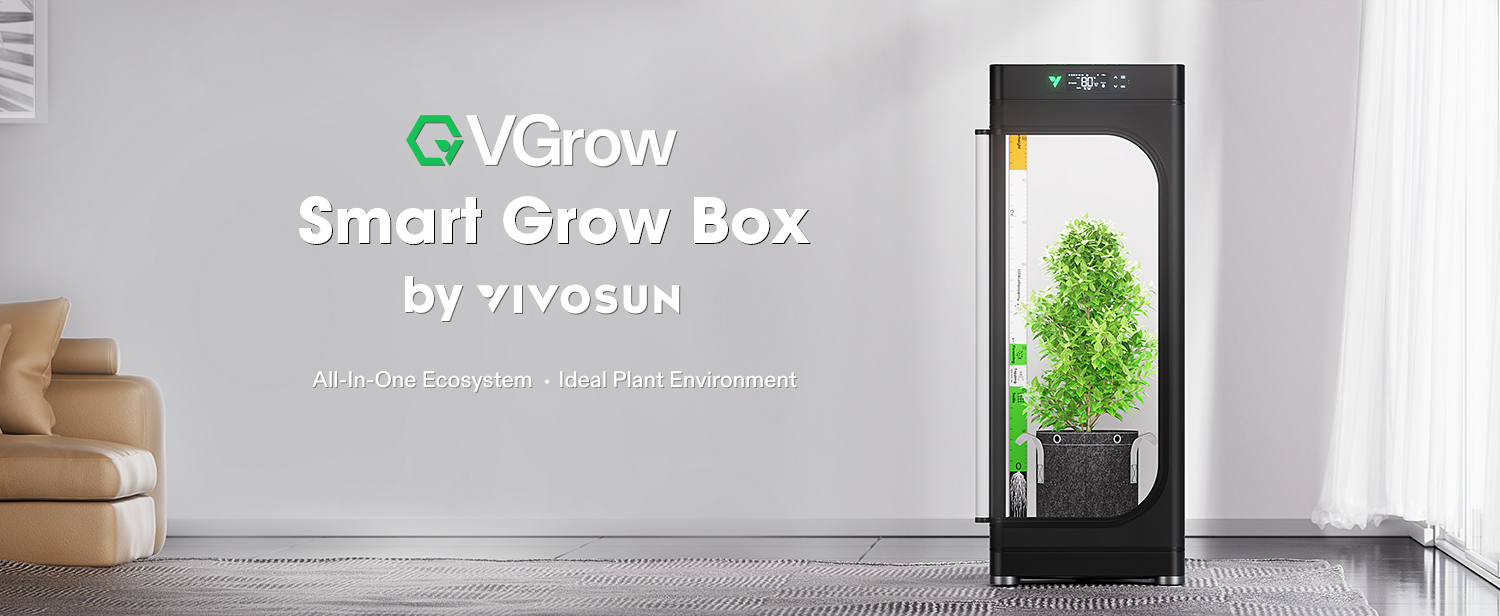
Systems such as the VGrow Smart Grow Box demonstrate how AI integrates lighting, climate, airflow, and watering into one automated ecosystem.
- Predictive watering schedules
- Adaptive lighting control by growth stage
- Automated climate optimization
- Abnormal grow environment detection.
Automated Environmental Control Systems
Quick Answer: Automated environmental control systems regulate temperature, humidity, airflow, and lighting using interconnected sensors and smart controllers. These systems maintain stable growing conditions continuously, preventing stress caused by environmental fluctuations and reducing the need for constant manual adjustments. Smart indoor gardens automate environmental management through centralized controllers that communicate with fans, lights, humidifiers, and ventilation systems. When sensors detect changes outside optimal ranges, adjustments happen automatically without human input.
- Automated temperature and humidity regulation
- Pre-programmed lighting schedules aligned with plant cycles
- Dynamic airflow management for even circulation
This automation allows growers to focus on plant observation rather than constant environmental correction, making indoor gardening significantly more accessible.
How Automation Transforms Plant Care Routines
Quick Answer: Automation reduces daily plant care from nearly an hour to just a few minutes by handling watering, lighting, and climate control automatically. Consistent conditions improve plant health while freeing growers from repetitive maintenance tasks. Traditional indoor gardening requires frequent manual checks and adjustments. Automated systems replace these routines with sensor-driven processes that maintain optimal conditions around the clock.
- Eliminates daily manual watering
- Removes guesswork from lighting schedules
- Provides real-time alerts instead of constant monitoring
Educational note: growers interested in automation fundamentals can explore VIVOSUN’s indoor growing resources to better understand how sensors and automation interact.
Smart Sensors and Real-Time Monitoring
Quick Answer: Smart indoor gardens use multiple sensors to track temperature, humidity, soil moisture, and light intensity in real time. Continuous monitoring allows automated systems to adjust conditions instantly and provides growers with accurate data through mobile apps. Sensor networks form the backbone of smart indoor gardens. Data collected every few seconds feeds AI systems that identify trends, predict issues, and maintain stable growing environments.
- Temperature and humidity tracking
- Vapor Pressure Deficit calculations
- Light intensity and photoperiod monitoring
FAQs
Q: What is a smart indoor garden?
A: A smart indoor garden is an automated growing system that uses AI, sensors, and app-based controls to manage lighting, watering, temperature, and humidity automatically.
Q: How does AI improve indoor plant care?
A: AI analyzes real-time sensor data to adjust environmental conditions continuously, improving plant health while reducing manual maintenance.
Q: Are smart indoor gardens suitable for beginners?
A: Yes, smart indoor gardens automate complex growing decisions, making them accessible for beginners with minimal experience.
Q: Can vegetables be grown in smart indoor gardens?
A: Vegetables, herbs, and leafy greens grow successfully in smart indoor gardens with proper lighting and climate control.
Q: Do smart gardens save water?
A: Automated watering systems reduce water usage by delivering precise amounts based on real-time moisture data.
Conclusion
AI and automation have transformed indoor gardening into a precise, efficient, and accessible practice. Smart indoor gardens maintain ideal conditions continuously, reduce daily labor, and improve plant health through data-driven control.
For growers seeking deeper insight into automated growing ecosystems, exploring Vivosun Smart Growing System provides valuable educational context on how intelligent systems support consistent results.