Introduction
Composting Basics is all about turning organic waste — kitchen scraps, yard clippings, leaves, and other biodegradable material — into nutrient‑rich compost that revitalizes soil and supports lush plant growth. By applying composting fundamentals correctly, you reduce household waste, cut down on the need for chemical fertilizers, and nourish your garden naturally. Whether you’re starting in a roomy backyard or a small urban balcony, this guide walks you through everything: what composting is, why it works, how to build and maintain a pile, what to compost (and what to avoid), and how to harvest and use the final compost.
What Is Composting?
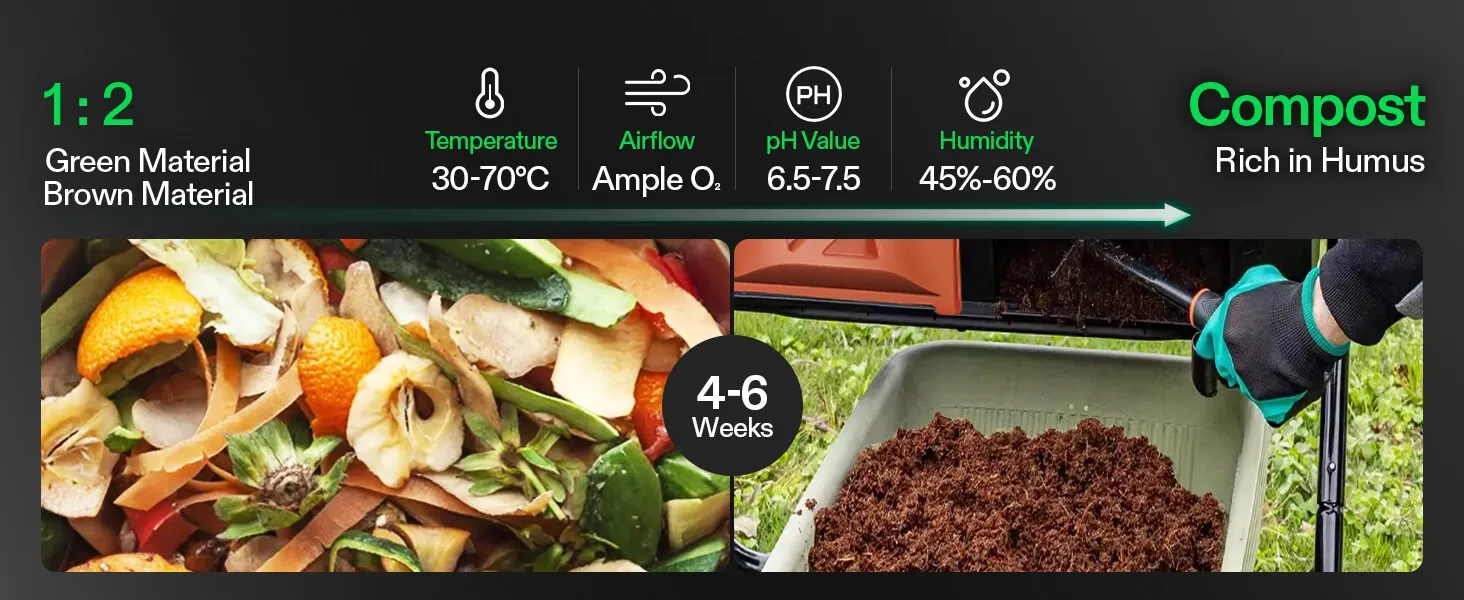
Composting is a natural process of decomposition — a managed recycling of organic matter back into soil. Microorganisms, fungi and beneficial worms break down biodegradable materials (food scraps, leaves, grass, garden trimmings, etc.) and transform them into compost: a dark, crumbly, nutrient‑rich substance that enriches soil structure, boosts fertility, and improves water‑holding capacity. When you follow composting basics — the right mix of materials, moisture, air, and time — you harness nature’s own system to turn waste into gardening gold.
Why Composting Matters
Composting offers several powerful benefits:
- Waste reduction: Instead of sending food scraps, yard waste, and leaves to landfill, composting recycles them — reducing household trash and environmental burden.
- Soil health improvement: Compost enriches soil with organic matter, improves aeration, enhances microbial activity, and boosts water retention. This leads to stronger roots, better nutrient uptake, and more resilient plants.
- Environmental impact: By composting, you help cut down methane emissions from organic waste decay in landfills — a win for your garden and the planet.
- Cost savings & sustainable gardening: Homemade compost replaces or reduces the need for store‑bought fertilizers and soil amendments. For gardeners, this means better yields, richer soil over time, and a more sustainable gardening practice.
Key Elements for Successful Composting
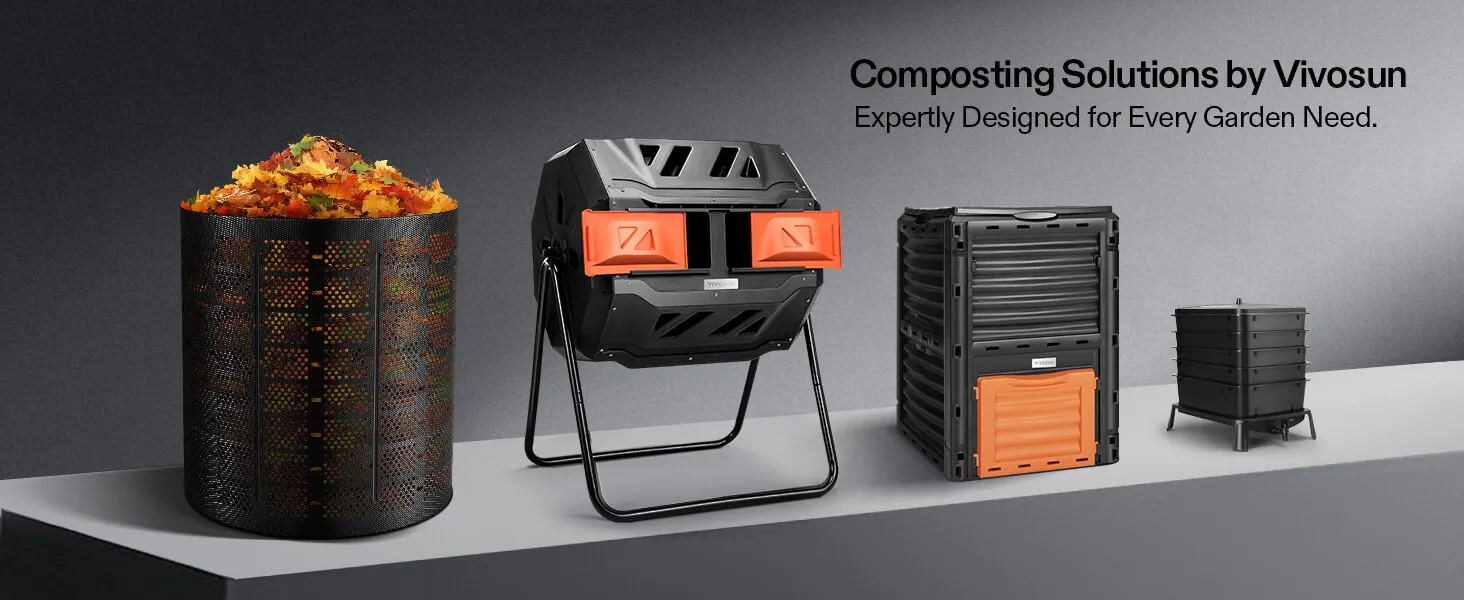
A good compost pile depends on four essentials:
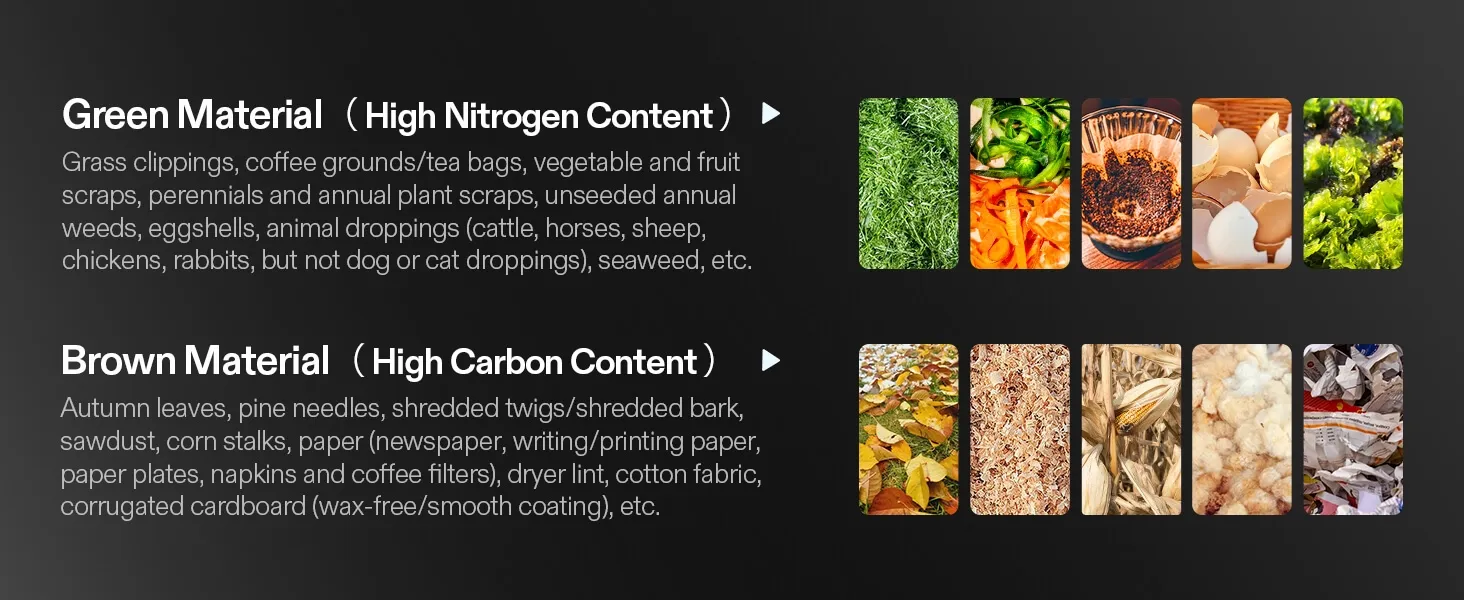
- Carbon‑rich materials (“browns”) — dry leaves, straw, shredded paper/cardboard, wood chips. These provide the energy and structure microbes need to break down organic waste.
- Nitrogen‑rich materials (“greens”) — vegetable and fruit scraps, coffee grounds, fresh grass clippings, garden trimmings. These supply the nitrogen that microbes need to thrive.
- Moisture — the pile should feel like a damp sponge: moist but not soggy. Adequate moisture helps microbes grow and break down material.
- Air / Oxygen — aerobic decomposition requires airflow, so turning or mixing the pile periodically is essential.
For balanced decomposition, a good ratio is about two to three parts browns to one part greens by volume. Also, creating a pile/bin of sufficient size helps retain heat — which speeds up the composting process.
How to Start Composting at Home: Step‑by‑Step
Here’s a simple roadmap to launch composting at home using composting basics:
- Choose a site or container: Pick a partially shaded spot in the yard with access to water, or if space is limited use a compost bin/tumbler or even a worm (vermicompost) bin.
- Prepare a base: Start with coarse materials (twigs, wood chips) for airflow and drainage.
- **Layer “browns” and “greens”: ** Begin with a layer of browns (dry leaves, shredded paper), then add a layer of greens (food scraps, grass clippings), then repeat. If you have soil or existing compost, add a bit to inoculate microbes.
- Maintain moisture and aeration: Keep the pile moist like a damp sponge. Turn or mix every few weeks (or more often for a “hot” compost) to provide oxygen and speed decomposition.
- Monitor and wait: Over time, the pile will heat up (with hot composting), shrink in volume, darken in color and begin smelling earthy. These are signs composting is working.
- Harvest compost: Once the material is dark, crumbly and soil‑like, with no recognizable scraps intact — it’s ready. Sift out large bits (twigs, eggshells, large stems) if desired, and store or apply to your garden.
What to Compost — and What to Avoid
Good materials to compost: fruit and vegetable scraps, coffee grounds, tea leaves, eggshells, yard waste (grass clippings, leaves), shredded paper/cardboard (uncoated), small garden trimmings, untreated wood chips or sawdust, natural organic waste.
Avoid composting: meat, dairy, bones, oily or fatty foods, pet waste, diseased plants, chemically treated wood or paper — these can attract pests, cause odors, or introduce pathogens.
Being selective about what goes into your compost pile is a core composting basic — ensuring a clean, healthy compost that benefits your garden.
Common Problems & How to Fix Them
Even following composting basics, issues may arise. Here’s how to troubleshoot:
- Slow decomposition: Often caused by a too‑small pile, insufficient nitrogen (too many browns), or lack of oxygen/moisture. Solution: add more greens, moisten slightly, and turn the pile.
- Bad odors or anaerobic smell: Signals lack of aeration or too much moisture/greens. Remedy: turn or mix pile, add dry browns, ensure airflow and proper moisture balance.
- Pile doesn’t heat up: Possibly due to small size or poor mix. Try increasing volume, chopping materials smaller, mixing thoroughly and positioning the pile in a warmer spot.
- Pests or rodents: Usually from meat, dairy, exposed food scraps, or open bins. Avoid those materials and use a closed bin or cover the pile; bury fresh food scraps under browns.
By regularly observing and adjusting based on composting basics, most issues can be prevented or resolved — keeping compost healthy, odor‑free and productive.
Using Finished Compost in Your Garden
Once your compost is ready — dark, crumbly, earth‑smelling — it becomes a versatile soil amendment or mulch. You can:
- Mix it into garden soil before planting to boost fertility and soil structure.
- Use it as top‑dressing or mulch around flower beds, shrubs or trees to improve nutrient availability and moisture retention.
- Add to potting mixes for potted plants to enhance drainage, nutrition and root health.
- Use compost annually or seasonally to maintain soil health — especially before planting vegetables, flowers, or new shrubs.
In short: compost completes the cycle — turning waste into nourishment that supports stronger, healthier plants and a more sustainable garden ecosystem.
Conclusion
Understanding and applying composting basics empowers you to transform everyday organic waste into a powerful tool for gardening and sustainability. With just a bit of effort — balancing browns and greens, ensuring moisture and airflow, turning occasionally — you can produce rich, fertile compost that enriches soil, supports plant health, reduces waste, and benefits the environment. Whether you have a spacious backyard or a small balcony bin, composting is accessible, eco‑friendly, and rewarding. Start today, be consistent, and watch your garden thrive — your composting journey begins now.
FAQs
How long does it take to get usable compost? It depends on how actively you manage the pile. With proper balance of materials, moisture, aeration and regular turning (hot composting), you can often get usable compost in about 3 months. If you follow a slower, passive approach (cold composting or minimal turning), expect around 3–6 months for usable compost — though in some cases decomposition may take longer.
Can I compost if I live in an apartment or have limited outdoor space? Yes. Even with limited space you can compost using compact bins, tumblers, or vermicomposting (worms). The same composting basics apply: maintain a good balance of carbon‑rich “browns” and nitrogen‑rich “greens,” keep the pile moist (like a damp sponge), and allow airflow by turning or mixing regularly.
How do I know if I’m balancing browns and greens properly? A practical guideline is roughly two to three parts “browns” to one part “greens” by volume. The pile should feel like a damp sponge — moist, but not soggy. If it’s too dry, decomposition slows; if too wet or too many greens, the pile may smell or decompose slowly. Proper balance and regular turning helps compost progress smoothly.
Can I compost meat, dairy or bones? For typical backyard or small‑scale composting, it’s not recommended. Meat, dairy, fats, bones and oily foods tend to attract pests, create bad odors, and usually don’t break down properly without a specialized compost system. Stick to plant‑based and natural organic waste for cleaner, safer compost.
My compost pile smells bad or has flies — what did I do wrong? Odors or pests usually indicate there’s too much moisture or nitrogen‑rich material (greens) and insufficient airflow. To fix it: add more dry “browns,” turn or mix the pile to aerate, and adjust moisture so the pile feels like a damp sponge — not soggy. Maintaining proper balance and aeration is key to healthy, odor‑free compost.