Introduction
If you own cats and love houseplants, you might wonder: Are spider plants toxic to cats? Spider plants are among the most popular indoor plants due to their easy care and lush green foliage. It’s important to know whether they can coexist safely with curious cats — especially because cats often nibble plants. In this article, we explore what the latest pet‑safety guides say about spider plants and cats, possible risks, and practical tips to keep both your pets and plants healthy and happy.
What is a Spider Plant?
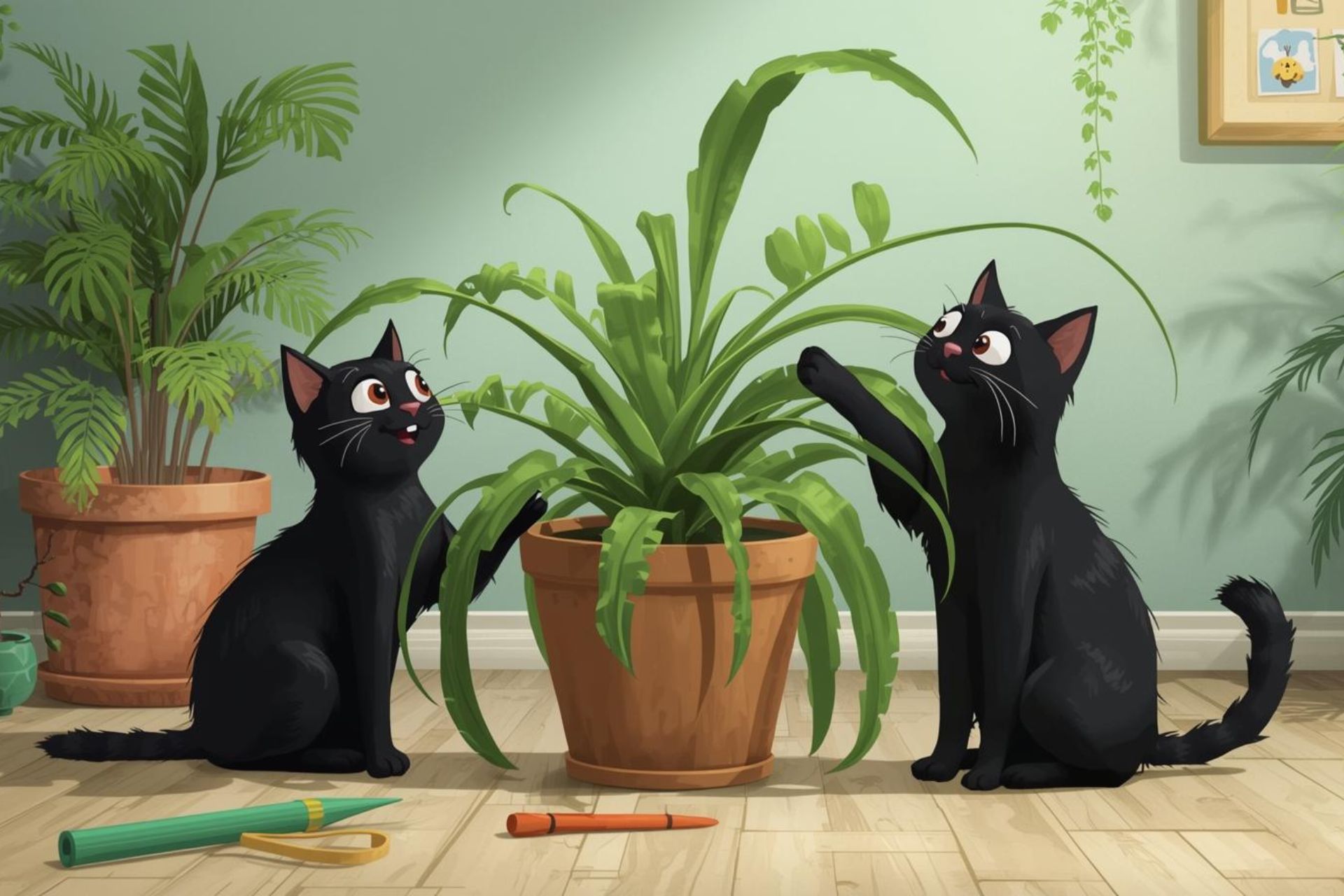
The spider plant is a hardy, decorative houseplant characterized by its arching, strap‑like green leaves and tendency to produce baby offshoots (“spiderettes”). It thrives in indoor conditions and is often praised for its low maintenance needs — making it a common choice for apartments and homes. Because of its popularity as a houseplant, many pet owners wonder if it poses any threat to cats when kept indoors.
Is the Spider Plant Toxic to Cats?
Major pet‑safety authorities list the spider plant as non‑toxic to cats and dogs. That means it does not contain highly dangerous toxins that would cause serious poisoning in pets if they ingest a small amount. From a toxicological standpoint, spider plants are considered among the safer houseplants for households with pets.
Possible Risks: Mild Upset With Overeating
Even though spider plants are non‑toxic, they are not guaranteed to be harmless in all situations. Cats that chew or ingest large amounts of the plant may experience mild digestive upset — such as stomach discomfort, vomiting, or diarrhea. This is usually not serious and symptoms tend to be temporary. The risk arises mainly if a cat consumes a lot of leaves, rather than a small nibble now and then.
Why Cats Are Drawn to Spider Plants
Cats are often attracted to spider plants for several reasons: the long, dangling leaves resemble cat‑grass or playful toys; some believe the plant may have subtle compounds or scents that trigger a cat’s instinct to chew or nibble. This attraction is part of what makes spider plants so popular — yet also what raises concern among pet owners when cats start to eat them.
How to Keep Cats and Spider Plants Safe Together
To enjoy spider plants while protecting your cats, consider these practical tips:
- Place spider plants in hanging baskets or high shelves that are difficult for cats to reach.
- Provide alternative safe plants (like cat grass) or toys to satisfy a cat’s chewing instinct.
- Monitor your cat’s behavior — if they nibble leaves frequently, consider relocating the plant or trimming tempting leaves.
- If your cat consumes a large amount and shows symptoms like vomiting or diarrhea, monitor their condition and consult a veterinarian if symptoms persist.
Conclusion
Overall, spider plants are considered safe for cats and unlikely to cause serious health issues — which makes them a good option for pet‑friendly homes. However, because cats may be drawn to chew on their leaves, there is a risk of mild digestive upset if a cat overeats them. With a little precaution — such as placing plants out of reach and offering alternative chewing options — you can enjoy the beauty and greenery of spider plants without compromising your cat’s well‑being.
FAQs
Are spider plants poisonous to cats? No — spider plants are classified as non‑toxic to cats. They are generally safe to keep in homes with feline pets.
Can eating spider plant leaves make my cat sick? Yes — if a cat eats a large amount of leaves, it may lead to mild digestive upset (like stomach discomfort, vomiting or diarrhea), but severe poisoning is not expected.
Is it safe to let cats nibble a little bit of spider plant occasionally? Generally yes, occasional nibbling is unlikely to cause serious problems. The greatest concern arises when cats ingest a large quantity.
How can I prevent my cat from chewing my spider plant? Keep the plant out of reach — use hanging baskets or high shelves — and offer cats safe alternatives like cat grass or interactive toys to divert their attention.
What should I do if my cat eats a lot of spider plant and seems unwell? Monitor for signs of vomiting, diarrhea, or lethargy. If symptoms persist or worsen, contact a veterinarian for advice.